
Stride Between Coastal Lights
Today we step into the world of Lighthouse-to-Lighthouse Walking Routes, celebrating shorelines where history, navigation, and wild weather meet. Expect practical planning advice, safety wisdom, gear strategies for salt and wind, human stories that glow like lantern rooms, and sample itineraries you can adapt. Share your questions, subscribe for updates, and tell us which coast you’re dreaming about so we can help you turn intention into footprints across headlands and harbors.
Mapping With Purpose
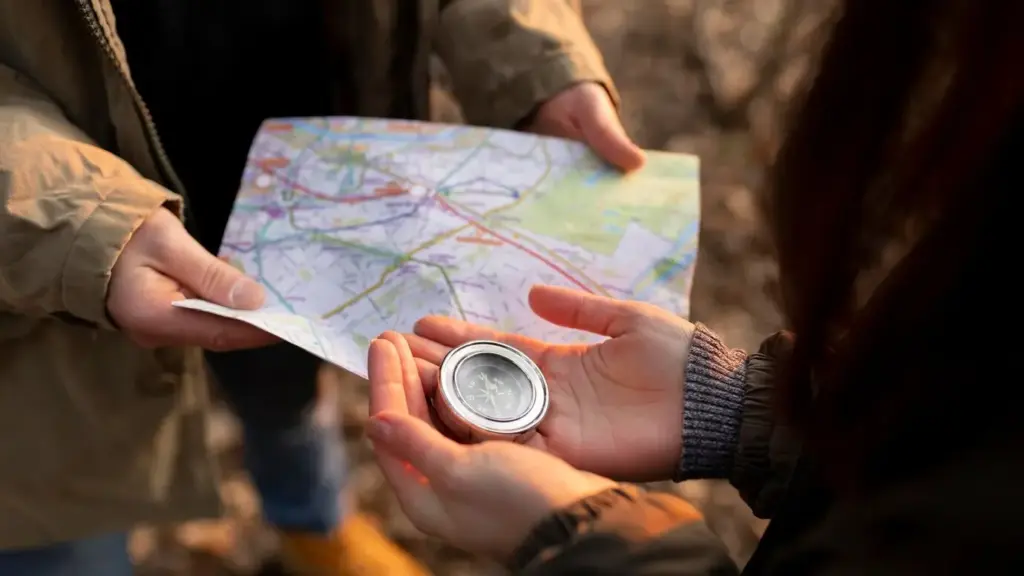
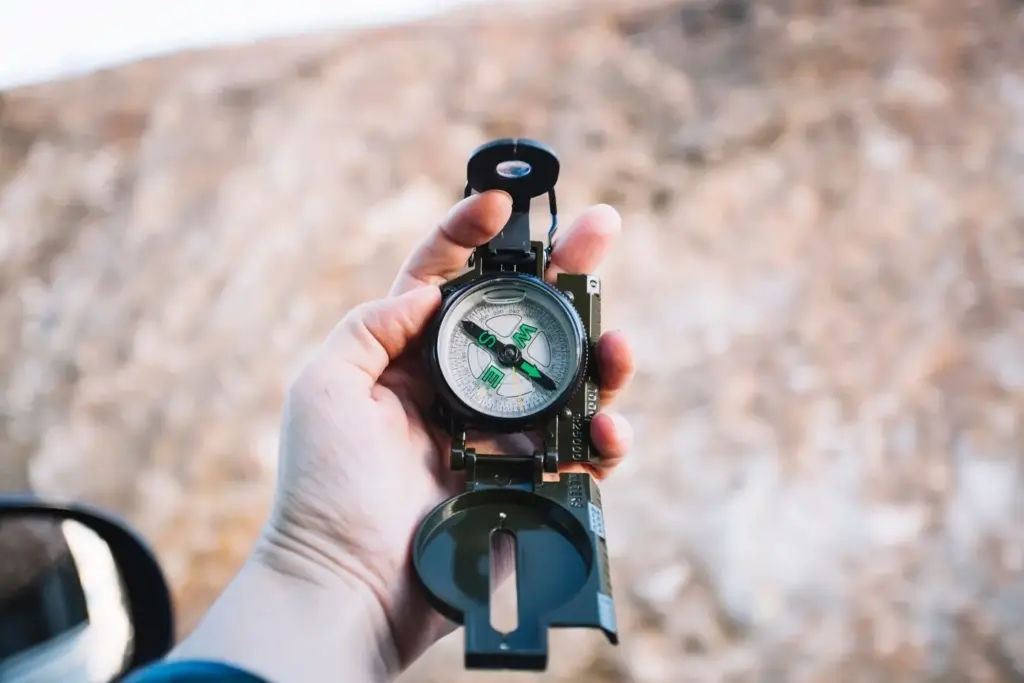
Combine official coastal path maps with nautical charts and local information boards to understand headland shortcuts, beach exit points, and cliff-top diversions. Mark freshwater taps, sheltered lunch spots, and emergency access lanes used by rescue teams. Download offline mapping layers and save GPX files, then print paper backups. Redundant navigation protects your day when batteries falter or mist erases landmarks into whispering gray.
Timing the Tides
Beach sections and causeways can invite shortcuts that vanish under fast-rising water. Study tide tables, note spring versus neap behavior, and maintain margin for swells. Consider wind direction, since prolonged onshore gusts stack waves and shorten safe windows. Ask locals about rip channels and soft sands beneath cliffs. Plan retreat routes, rehearse decisions calmly, and remember that patience often beats bravado along restless shores.
Training Your Legs and Lungs
Coastal walking can be deceptive: short map distances hide steep steps, shifting sand, and energy-sapping shingle. Prepare with hill repeats, stair sessions, and mixed-surface hikes carrying your target pack weight. Strengthen ankles with balance drills. Practice fueling every forty-five minutes, especially in salty winds that dampen thirst cues. Build endurance gradually, then add back-to-back days to simulate real momentum between distant guiding lights.
Safety Beneath Changing Skies
Go beyond icons by understanding fronts, pressure lines, and dew points that hint at fog. Compare marine and coastal forecasts for gust distribution and swell timing. Use hourly radar loops to judge squall speed, planning snack breaks under hedges or leeward walls. When in doubt, downshift the plan, shorten the stage, and enjoy a sheltered cove rather than courting exposure on unsympathetic headlands.
Cliff trails migrate with erosion and seasonal landslides. Follow diversions even when they appear inconvenient, and keep poles stowed on narrow traverses to avoid snagging straps on brambles. Maintain three points of contact on wet steps, and pause to let faster hikers pass safely. Avoid overhanging edges for photographs. Your best view comes from prudent positioning, where confidence and caution walk side by side above rumbling surf.
Pack a small kit with a pressure bandage, blister care, emergency bivy, and whistle. In patchy reception areas, pre-save emergency numbers and location apps supporting offline coordinates. A lightweight power bank preserves phone navigation and calls. Consider a compact VHF where legal, or a personal locator beacon for solo ventures. Practice describing landmarks concisely. Preparation converts moments of uncertainty into resolute, timely requests for help.
Gear Tailored for Salt and Wind
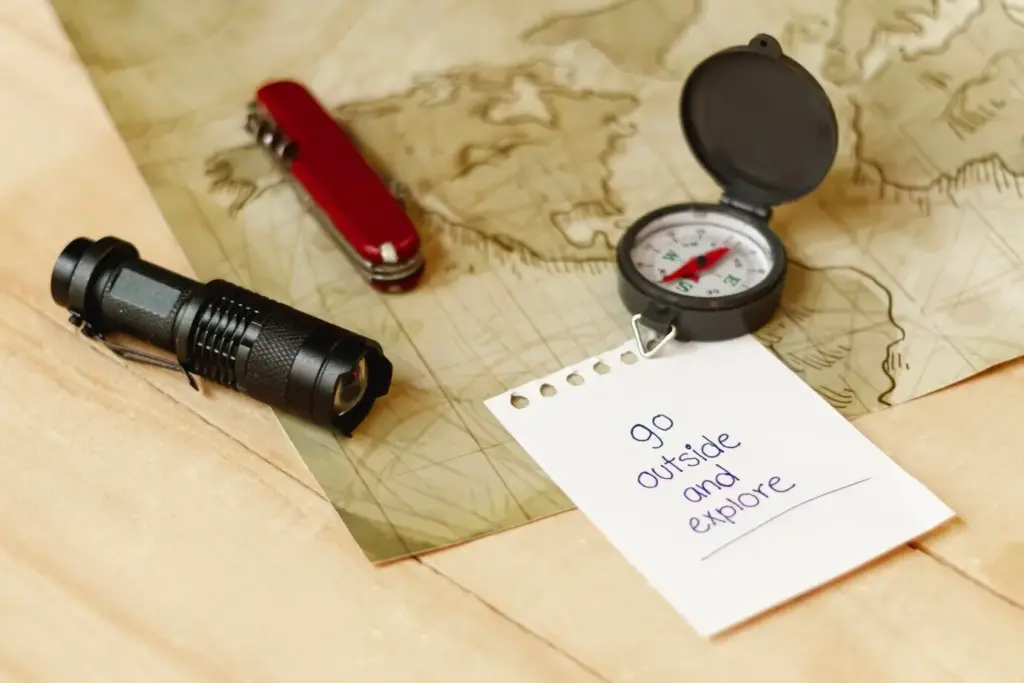
Coastal environments punish equipment with spray, sand abrasion, and rapid shifts between glare and drizzle. Choose quick-drying layers, corrosion-resistant zips, and simple systems over fussy gadgets. Prioritize comfort in wet socks and variable temperatures. Secure hats with cords, protect maps in waterproof sleeves, and keep snacks accessible during gusty summits. With the right kit, each mile feels like a conversation with the coastline rather than a negotiation.
Keepers’ Echoes
Imagine midnight routines: trimming wicks, polishing prisms, logging visibility in cramped journals. Families learned silence during gales, reading creaks like weather instruments. Many stations now rest automated, yet visitors still sense watchfulness in circular halls. As you pass, acknowledge labor that once translated darkness into guidance, a human cadence still pulsing beneath modern optics and solar panels humming softly above restless spray.
Shipwreck Tales as Caution
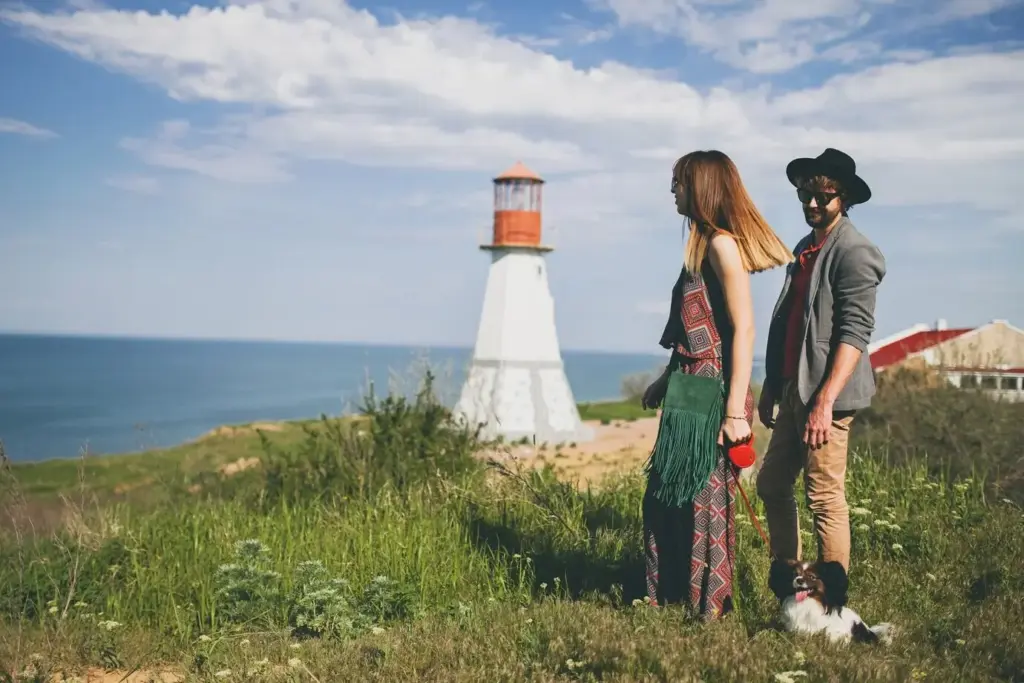
Markers for lost hulls and brave rescues sharpen decision-making more than any lecture. Read plaques, study charts noting hazards, and let stories of shifting bars and hidden reefs temper ambition. These accounts are not morbid; they are maps drawn in consequence. Carry them gently as you choose routes, remembering that prudence honors both survivors and those the ocean keeps in unquiet silence.
Local Voices and Harbor Lore
Fishermen, ferry crews, and café owners hold weather grammar deeper than forecasts. Ask about sand ladders after storms, seals on beaches, or shortcut paths that flood unpredictably. Buy a pastry, trade a smile, and gather intelligence with gratitude. Local knowledge lends both safety and belonging, turning anonymous coastlines into neighborhoods where your footsteps contribute gently rather than intrude loudly upon working waters.
Routes That Flow Like Tides
Progress between beacons feels rhythmic: crest, descend, cove, and climb again. Choose stages respecting bus links, day length, and your appetite for stairs. Mix cliff panoramas with sheltered harbors to vary moods and refuge options. Allow serendipity for birds, dolphins, or museum stops. A flexible itinerary invites discovery while holding structural integrity, like a tide table balancing certainty with the sea’s playful improvisations.
Capture, Reflect, and Share
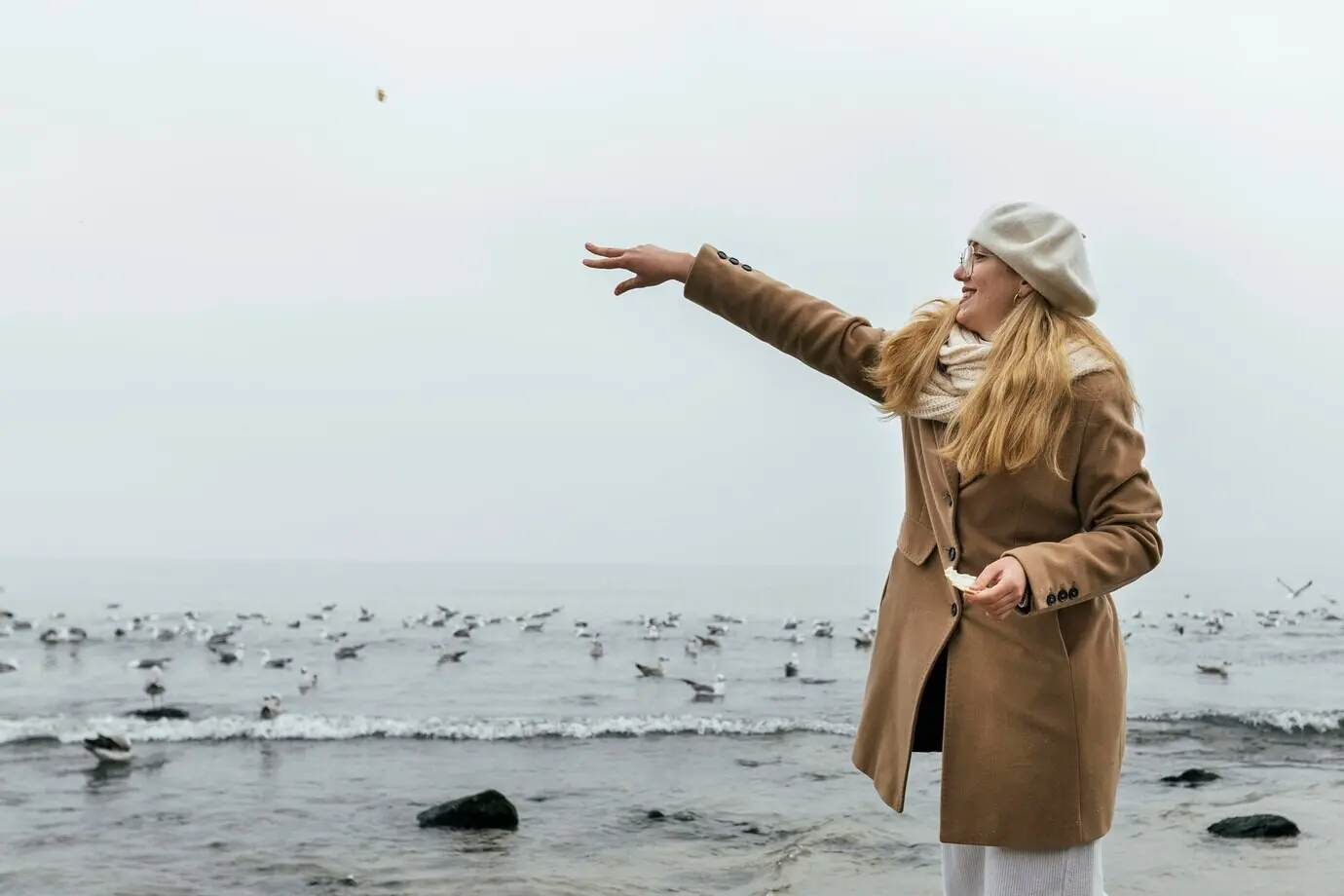
Documenting coastal miles preserves learning while inspiring others. Photograph textures, not only vistas: rusted railings, lichened steps, foam lacing pebbles. Write nightly reflections to anchor decisions about tides, nutrition, and pacing. Share respectful trip notes, highlight tricky sections, and credit local businesses. Invite questions in the comments, and subscribe for route updates and printable planning aids crafted for changing seasons and curious, resilient walkers.
All Rights Reserved.