


Chasing Beams Along the Coast

Today we dive into Photography Guide to Lighthouse Hikes: Best Vantage Points and Light, exploring how to plan coastal walks, time the beam, and frame unforgettable images. Expect practical route advice, creative composition, and safety wisdom, plus invitations to share your own discoveries and subscribe for future coastal adventures.

Timing the Coast for Magic Light

Great lighthouse images begin long before you press the shutter. Study sunrise and sunset angles, seasonal weather, fog patterns, and tide swings to predict when cliffs, stairs, and lantern rooms will glow. Golden hour, blue hour, and storm clearing moments create luminous drama, but mid-day haze can also sparkle after sea breezes. A flexible plan lets you pivot if wind, surf, or cloud thickness shifts. Build extra time for detours, safe footing, and unexpected coastal encounters.

Maps, access, and trail intel

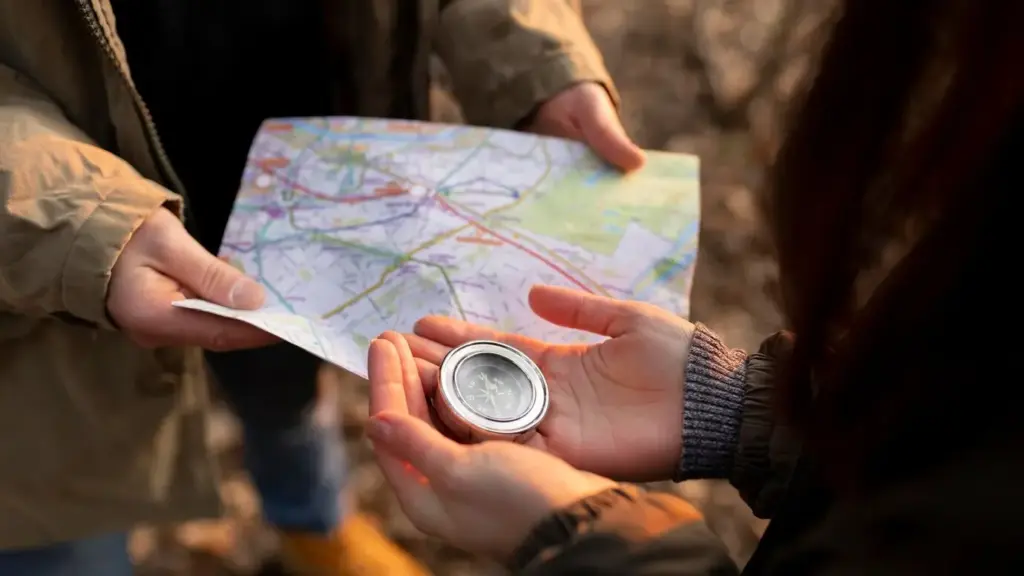
Cross-check park maps, maritime authority notes, and local hiking reports to confirm access hours, fees, and closures around active stations. Some towers require permits or guide escorts, while others sit behind delicate dunes. Talk to rangers, read trail logs, and mark bailout points for fog or fatigue. Knowing stair counts, exposure, and viewpoints beforehand frees your mind to compose decisively when the light gets extraordinary.

Clouds, tides, and beacon cadence

Layered clouds soften contrast, while clearing squalls carve shafts of light that sweep across cliffs and breakwaters. Tide timing reshapes rocks, pools, reflections, and safe passages, so align your arrival with desired water levels. Some beacons rotate at fixed intervals; learn the cadence to time exposures for a clean burst or graceful arc. Weather radios and tide tables, paired with patient observation, turn chance into intention.

Foreground stories that anchor scale

Foreground isn’t filler; it’s narrative. A wet rock holding a reflected lantern room, a weathered rope coil, or a puddle rippled by seabreeze can turn a simple tower into a layered story. Crouch low to emphasize textures and let diagonal lines flow toward the beacon. If footprints or driftwood feel distracting, shift a step rather than staging the scene. Honest details communicate place, time, and the hum of coastal life.

High, low, and everything between

Change elevation to reframe familiar structures. From a cliff top, the lantern’s geometry aligns with horizon lines and distant headlands. From tide level, the tower becomes monumental, rising from spray and foam. Tilt your camera to balance converging verticals, or use a moderate telephoto to compress layers of steps, keepers’ houses, and surf. Kneeling, standing, and climbing a safe overlook can yield three entirely different stories within minutes.

Night geometry with stars and the beam

When darkness falls, the beacon draws shapes across the sky. Scout compositions in daylight, then return with a headlamp and wide lens. Align the Milky Way or a bright planet with the lantern room, timing the rotating beam to paint arcs. Manage light pollution and preserve night vision. Long exposures can trace the beacon’s path while waves blur into smoky textures. Respect quiet hours and nearby residences while you savor the hush between rotations.

Exposure and Motion With a Rotating Light

{{SECTION_SUBTITLE}}

Bracketing and blending when water moves

Moving waves complicate HDR blends, but careful timing and selective masks keep edges natural. Capture a base frame for water texture, then bracket two or three additional exposures for tower and sky. Blend manually to avoid ghosting around railings and foam. If clouds streak too quickly, anchor with a shorter exposure. Aim for believable brightness that communicates the beam’s presence without turning masonry flat or sky unnaturally dark.

Long exposure arcs with thoughtful restraint

Neutral density filters extend shutter times, transforming the beacon into graceful arcs and the surf into velvet. Resist the urge to over-smooth every frame; some grain and texture preserve realism. Test different intervals to capture a partial sweep versus a full circle. Watch for flare from droplets and shield the lens with your hand. Review sharpness at pixel level, because tiny vibrations balloon during long takes in coastal winds.

Respect for Coastlines, Workers, and Wildlife

Coastal environments are fragile, and many stations remain operational or historically protected. Stay on marked paths, obey fences, and heed foghorn and radio warnings. Never trespass onto restricted catwalks or lantern rooms. Protect nesting birds and tidepool life by giving space and avoiding trampling. Pack out every crumb, close gates you open, and keep noise low after dark. Thoughtful behavior ensures future visitors can marvel at the same light and landscape.

Haze, contrast, and the breath of distance

Haze adds depth cues that communicate scale across headlands. Instead of crushing it, use targeted dehaze and midtone contrast to keep distant cliffs airy and near rocks detailed. Dodge paths and railings that lead toward the tower, while burning overly bright foam. Compare before-and-after at low zoom to ensure the mood remains coastal. The goal is dimensional atmosphere, not sterile perfection that could belong to any shoreline.

Color harmony from lantern to horizon

Cool seas, warm lantern glass, and painted stripes often collide in complex palettes. Use HSL tweaks to keep reds from bleeding into brick shadows, and protect yellows around the lens. Nudge blues toward teal or cobalt based on sky clarity, but avoid cyan casts in foam. A subtle split-tone warms highlights and cools shadows, echoing human memory of sea air at dusk. Let color guide emotion as much as composition.

Journeys, Little-Known Spots, and Sharing Wisely

Some stations perch beside crowded parking lots; others require windswept hours along bluffs and forest. Seek places where footpaths reveal unique angles without damaging terrain. Share stories generously while protecting vulnerable habitats with broad location notes rather than precise pins. Invite fellow hikers to contribute respectful tips, safety notes, and seasonal insights. If a spot cannot handle traffic, celebrate its spirit through words and images rather than exact coordinates.

Rugged Atlantic moods and patient wanderings

Long inlets, stacked clouds, and granite outcrops reward early risers along many Atlantic shores. Expect shifting fog banks that dissolve into shy sunbreaks. Boardwalks and fishing piers lead to sturdy vantage points after storms. Bring microspikes for slick lichen stones and watch for shorebirds. Locals often know when foghorns cycle or when keepers open gates for scheduled tours. Conversations and courtesy reveal paths that maps miss entirely.
Pacific drama, sea stacks, and long walks

On rugged Pacific coasts, sea stacks cluster like guardians around the beam. Trails weave through sitka spruce, then burst onto cliffs where swell energy booms. Give time for sunsets to ignite high clouds, then linger for cobalt blue hour. Tide pools mirror the lantern between waves. Always respect backwash near steep beaches. A long walk home under stars, with salt on your jacket, might be your favorite memory of the trip.

Cliffs abroad and the gift of long light

Northern latitudes grant lingering twilight that bathes towers in gentle color for hours. Think sheer cliffs, distant fishing villages, and moorland trails that curl past ancient keepers’ cottages. Wind can be fierce, so brace your tripod and yourself. Watch birds wheel through beams like tiny comets. Exchange greetings with hikers, share route notes, and reflect on passing ships. Slow travel invites deeper photographs and enduring friendships across languages and coastlines.

Zefuxakuneleforivepi
Privacy Overview

This website uses cookies so that we can provide you with the best user experience possible. Cookie information is stored in your browser and performs functions such as recognising you when you return to our website and helping our team to understand which sections of the website you find most interesting and useful.