
Between Beacons and Tides: Encounters with the Wild
Today we explore seasonal wildlife watching on coastal paths connecting lighthouses, tracing wind-carved headlands where beams sweep the night and low cliffs cradle life. From spring migrants arrowing north to winter sea-ducks riding swells, these routes offer quiet windows into cycles of movement, nesting, feeding, and rest. Pack curiosity, patience, and respect, and let each lighthouse anchor your journey as you learn to read waves, clouds, flowers, and calls along the changing edge of land and sea.
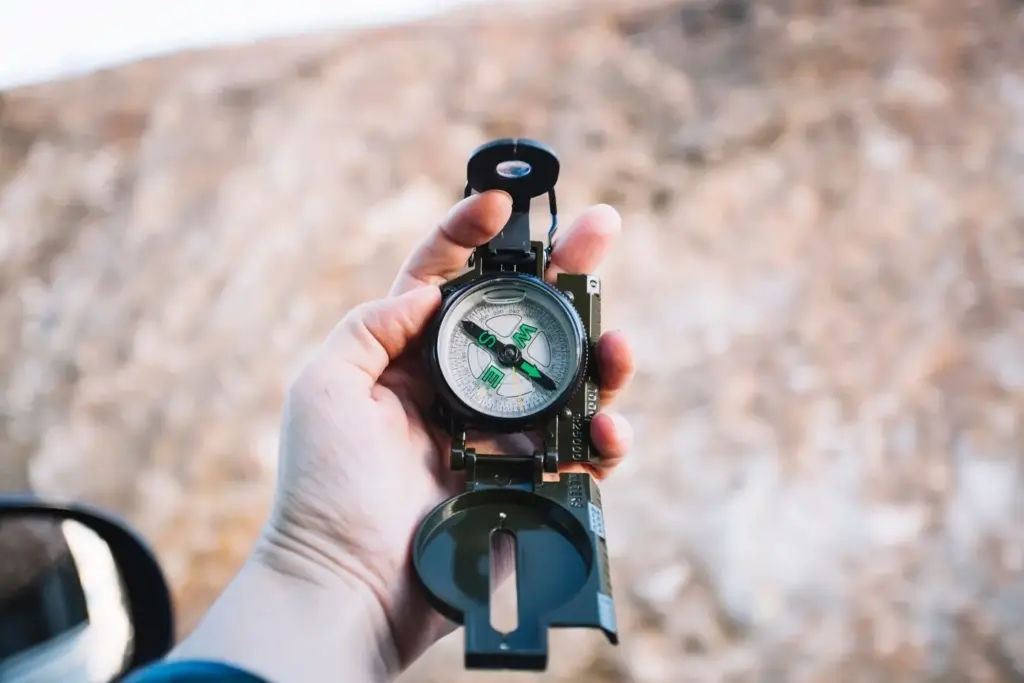
Reading the Coastline Through the Seasons

Spring Migrations Where Cliffs Wear Flowers
When sea thrift and campion paint the brink, skylarks lift their songs and swallows stitch the air between stone towers. Razorbills and guillemots reclaim ledges, while wheatears flash white rumps along boundary walls. Walk between lighthouses at dawn to watch skeins of geese and restless terns pushing north, pausing in tidal rips to feed. Listen for high, thin notes of goldcrests arriving overnight, tiny travelers resting in gorse before crossing another bright seam of water.
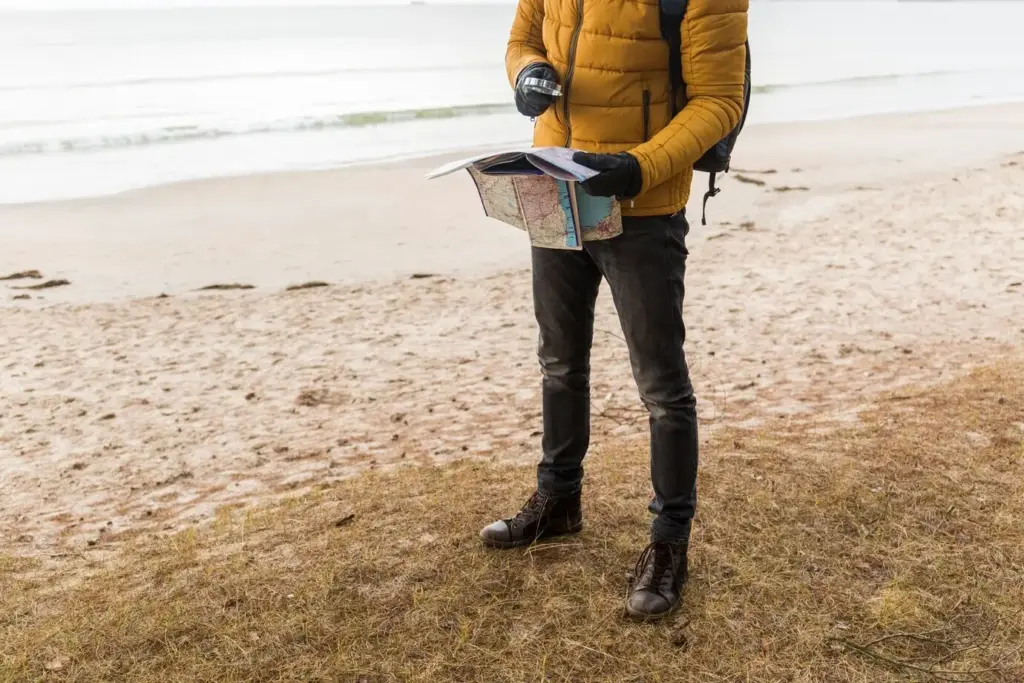
Summer Nurseries on Quiet Rocks and Grass
By summer, the coast becomes a nursery, and patience is your passport. Grey seals nap like polished stones in coves, while common seals bob like curious commas beyond kelp lines. Puffins, kittiwakes, and terns defend airspace with fierce dives, so keep respectful distances and use cliffs or lighthouse parapets as distant blinds. Watch adults ferry sand eels to gaping bills, note feeding times, and learn wind directions that carry fishy scents announcing busy ledges and thriving broods.
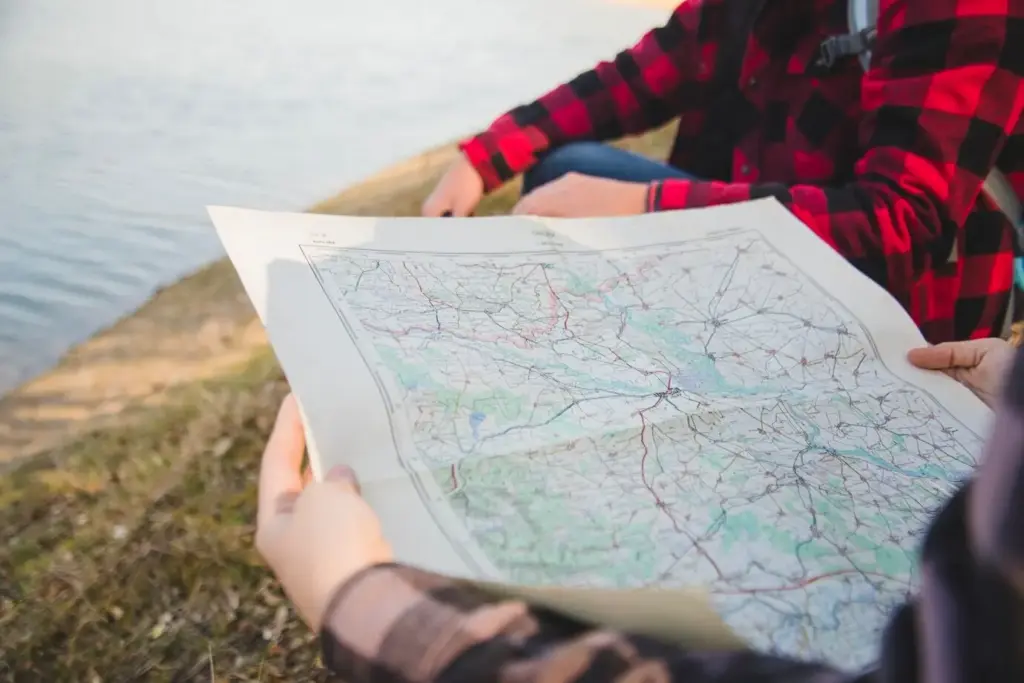
Autumn Flights and Winter Calm Beneath the Beam
Autumn channels travelers by the million: finches tinkling overhead, waders mapping mud patterns, and gannets arrowing offshore as storm systems churn. Cloud ceilings lower, visibility changes quickly, and lighthouse horns sometimes grumble like drowsy bulls in fog. Winter clears the stage for sea-ducks, divers, and porpoises slicing pewter water. Scan from paths linking beacons after gales; debris lines attract gulls, while quiet days reward watchers with rhythmic surf, stark light, and the simple poetry of resilient shoreline life.
Routing Journeys from Lighthouse to Lighthouse
Choosing paths between beacons turns a good walk into a well-orchestrated encounter with the coast. Consider access points, circular returns, public transport links, and how rising or falling tides open or close beaches and rock shelves. Lighthouses punctuate your planning like trustworthy commas, helping you pace water, cliffs, and coves. Build flexible loops, allow time for linger-worthy sightings, and schedule safe daylight windows, so your route supports wildlife watching without crowding sensitive roosts or rushing past promising headlands.
Sharpening Your Senses in Salt Air
Field craft turns wind, spray, and distance into allies. Train your eyes to hold steady on moving horizons, your ears to filter surf from calls, and your hands to manage gear swiftly without clatter. Learn how waves, light, and cliff geometry hide or reveal wildlife. With patience, lighthouse parapets become stable vantage points, and dunes turn into classrooms for reading tracks, cast feathers, and wrack-line clues. Each skill gently multiplies your chances of meaningful, respectful, memorable encounters.
Stories the Beams Remember
Lighthouses cradle narratives where nature and navigation meet. Keepers once logged birds striking glass in fog, recording migrations with sorrow and precision. Walkers today report dolphins pacing the beam, or rare fallouts when storms push songbirds into thickets by lantern walls. Sharing these stories deepens place attachment, inviting communities to protect coastlines that have protected them. Let remembered voices, weathered stones, and returning flocks braid continuity between human care, maritime safety, and the enduring choreography of wild lives.

Compositions that Honor Distance
Let leading lines of cliff paths draw the eye from foreground grasses to offshore rafts, with the beacon understated on the horizon. Telephoto compression can weave story without proximity. Include habitat, showing why birds chose a ledge or seals a shingle. Kneel for low angles that soften distracting clutter. If an animal stares, you are too close—back away until it resumes normal behavior. Respectful framing not only protects subjects; it also conveys truth about space and belonging.
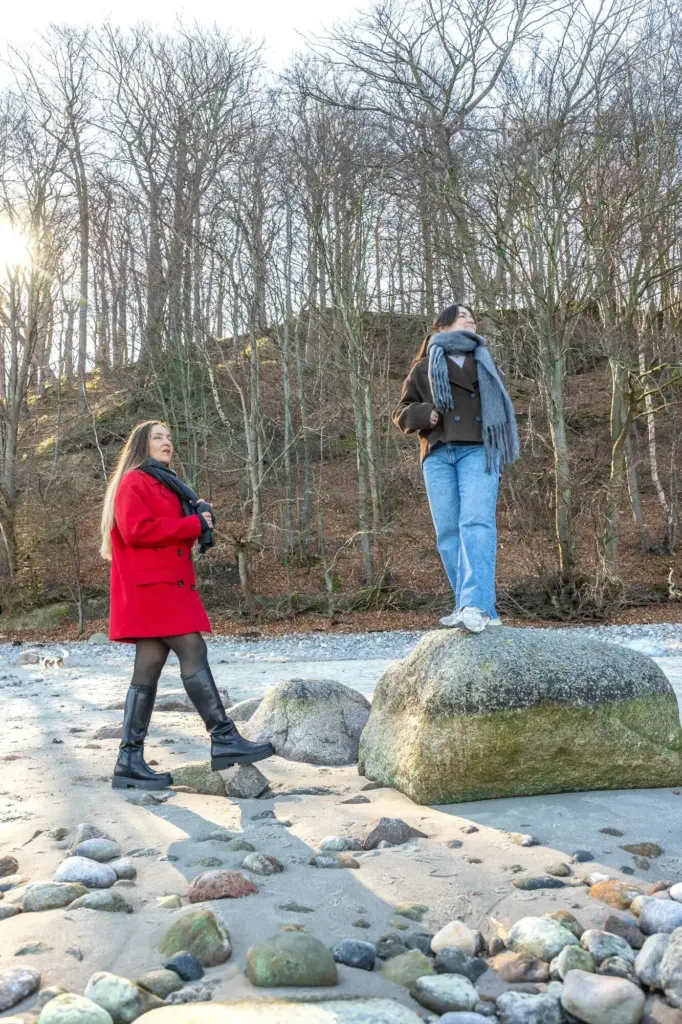
Low Light Without Harsh Intrusion
Twilight near lighthouses is dramatic, but flash startles wildlife and misrepresents atmosphere. Work with high ISO, wide apertures, braced elbows, and image stabilization. Embrace silhouettes against a soft beam, or reflections scumbled across tide pools. A beanbag on a parapet steadies long exposures without a tripod footprint. Practice breathing techniques to reduce shake in wind. Accept that some scenes are for memory alone; the photograph you do not take can be the kindest decision of the evening.
From Walks to Impact: Citizen Science
Your coastal hours can illuminate patterns far beyond a single outing. By submitting careful records, joining counts, or helping maintain trails between beacons, you turn observation into practical protection. Share experiences in comments, invite friends to walk, and subscribe for seasonal alerts so we can coordinate surveys when migrations peak. Balance celebration with discretion—some locations need privacy to thrive. Together, gentle footsteps and thoughtful data keep these paths vibrant for birds, seals, and future walkers alike.
Submitting Sightings that Strengthen Research
Log species, numbers, behavior, and precise time, noting tide height and wind. Tools like eBird, iNaturalist, and local marine mammal networks make your walk part of larger pictures guiding policy and habitat care. Photograph responsibly for documentation, but prioritize clear notes over chasing proof. Mention landmark bearings from lighthouse to headland for reliable georeferencing. Reviewing your records later reveals patterns—early arrivals, post-storm movements—that help scientists, rangers, and communities respond quickly to shifting coastal realities.
Volunteering for Beaches, Cliffs, and Colonies
Join weekend cleanups where rope snarls and plastic threaten tidy nesting instincts, or help maintain stiles along cliff paths linking historic lanterns. Seasonal wardens often need extra eyes to explain buffer zones and guide curious visitors. Repairing trail drains can prevent erosion that silts rockpools. These contributions are modest yet meaningful, translating admiration into tangible care. Ask how to help in comments, bring a friend, and let small, repeatable acts build momentum with every tide and returning season.
Sharing Stories, Protecting Sensitive Places
Celebrate encounters while keeping vulnerable sites safe. When posting, blur backgrounds or give general locations rather than exact ledges or haul-outs. Emphasize respectful distances and mention why certain paths close briefly each year. Invite readers to add observations in replies, and subscribe to coordinated alerts when migration surges or strandings require help. Framing stories with care teaches newcomers how to watch kindly, preserving that rare combination of wonder, access, and wildlife ease along these lighthouse-connected paths.
All Rights Reserved.