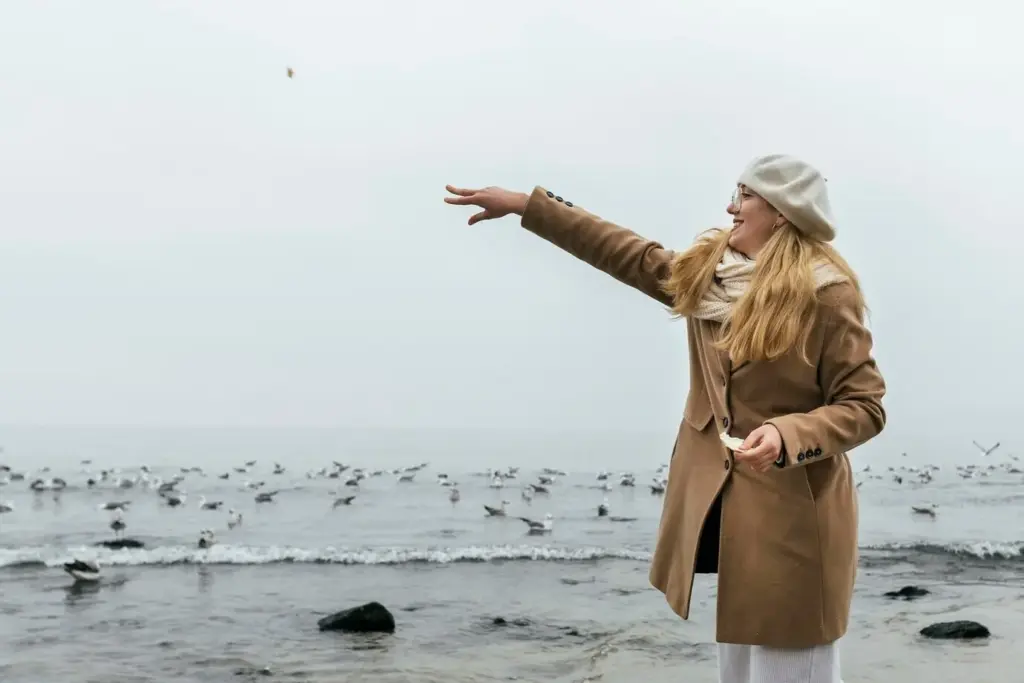
Walk the Edge with Confidence Along Lighthouse-Link Trails
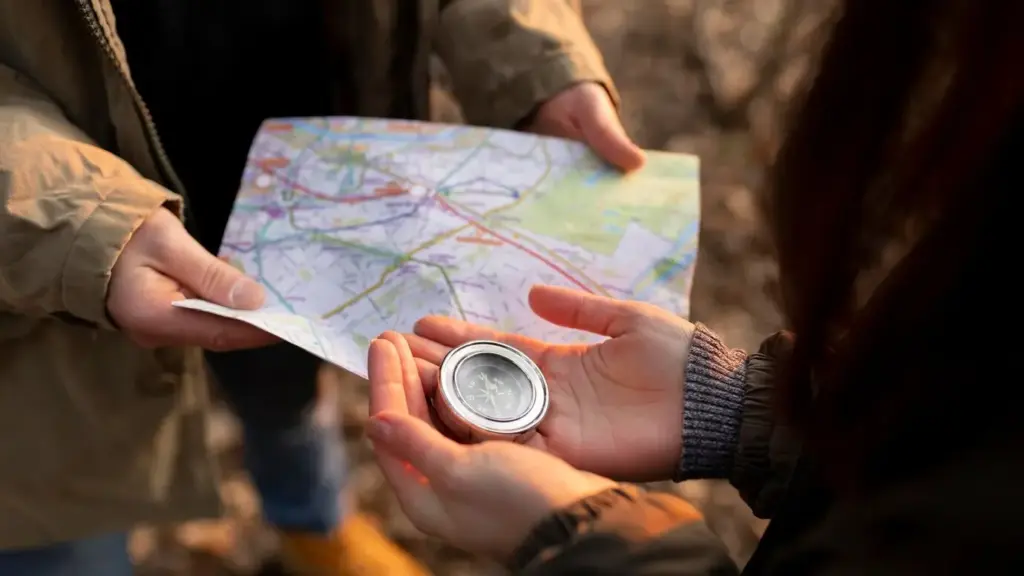
Today we’re focusing on tide, weather, and safety essentials for hikers exploring lighthouse-link trails, where sea and stone continually reshape the path. Expect practical planning advice, gear insights, and real coastal stories that help you read the ocean’s clock, outsmart fickle skies, and make calm, timely decisions that turn bold adventures into memorable, well-managed journeys worthy of return visits and shared wisdom.

The Ocean’s Clock: Understanding Tides Before You Step Out

Coastal trails breathe with the tide, transforming easy passages into traps within an hour. Learn the difference between spring and neap cycles, local tidal ranges, slack-water windows, and how headlands, causeways, and intertidal shelves alter timing. We’ll balance printed charts with trusted apps, build safe buffers, and practice conservative turnarounds so curiosity never overrides judgment when the sea’s schedule runs faster than your feet.

Sky Signs and Shoreline Weather: Forecasting for Footsteps
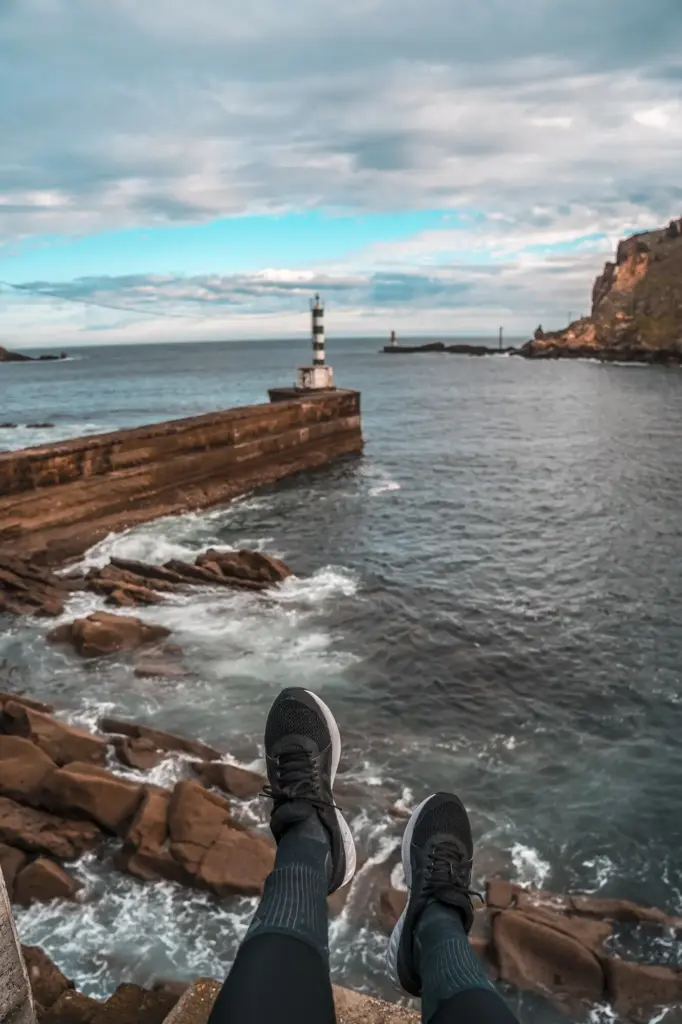
Clifftops amplify wind, bays cultivate fog, and passing fronts shift moods with startling speed. Learn to blend national forecasts with hyperlocal cues like cloud types hugging headlands, wind shadows behind ridges, and temperature drops near spray. We’ll create decision points, respect lightning setbacks, and adapt layers so morale stays high when the horizon closes in.

Route Planning and Navigation When Land Meets Water

Lighthouse-link routes weave along coves, dunes, and headlands, where diversions appear and vanish with the tide. Plan alternatives for high water, confirm waymarks after storms, and log escape routes to roads. Use GPX tracks prudently, trust your compass in fog, and remember that sound carries oddly near surf, sometimes masking the direction to safety.

Essential Kit for Salt, Spray, and Slippery Rock

Start with a wicking base, add a breathable insulating midlayer, and top it with a stormproof shell that seals at wrists and hood. Bring a warm hat even in summer, plus gloves for cold spray. Stow a dry camp layer in a sealed bag, keeping morale high when weather throws a tantrum.
Choose sticky rubber with siped patterns, clean soles often, and test each step before committing weight. Keep knees soft, plant poles slightly downslope, and avoid glossy green patches where slime blooms. If feet skate, backtrack and reroute over rougher texture. Slow, deliberate movement beats heroics when saltwater has polished every foothold.
Carry a loud whistle, mirror, and compact light; signal in threes and stay visible. A charged phone with local emergency numbers, plus a small power bank, adds resilience. Consider a satellite messenger for remote stretches. Mark last known point in your notes, conserve heat, and commit early to calling for help when plans unravel.

Coastal Hazards and Human Factors

The shore’s beauty hides moving risks: collapsing cliffs, rip channels, blowholes, and shifting sand. Equally tricky are overconfidence, fatigue, and group pressure to press on. We’ll rehearse hazard recognition, practice graceful turnarounds, and create communication habits that keep everyone aligned. Stories from seasoned rangers reveal how quiet decisions prevented loud rescues.

Edges, Cornices, and Crumbling Paths: Respecting Gravity

Wind undercuts cliffs and rain loosens soil, creating deceptive overhangs and narrow ledges. Stay well back from unmaintained edges, especially after storms, and mind dogs and kids. If you sense ground softness or hear pebbles trickling, retreat without debate. Photos look better from secure angles than from ambulance stretchers, and memories last longer.

Rip Channels, Blowholes, and Tide Races: Staying Back and Dry

Never turn your back on surf. Identify darker lanes showing rip flow, listen for hollow booms from blowholes, and respect channels funneling water like rivers. Keep a safe buffer above wet rock lines. If friends approach for thrills, lead by example, model distance, and offer binoculars for safer, equally exciting viewing.

Group Dynamics, Fatigue, and Clear Communication

Set expectations early about pace, rest, and decision authority. Rotate leaders, check for quiet cold, and watch for tunnel vision near milestones. Encourage dissent and create a no-blame culture around turning back. A shared snack, a laugh, and a revised plan can save pride while protecting lives and relationships.

Local Knowledge, Stewardship, and Community

The trail family includes keepers, fishers, scientists, and neighbors who read shoreline moods daily. Seek notices about erosion, nesting closures, and repairs; ask about tricky coves and seasonal wind patterns. Share your plan with a trusted contact, pack out every crumb, and volunteer when possible. Your respect strengthens access and safety for everyone.
Zefuxakuneleforivepi
Privacy Overview

This website uses cookies so that we can provide you with the best user experience possible. Cookie information is stored in your browser and performs functions such as recognising you when you return to our website and helping our team to understand which sections of the website you find most interesting and useful.